Cadabams Diagnostics

CT Scan in Bangalore

CT Scan in Bangalore

85+ ct scan scans in Bangalore. Fast reports, certified equipment, trusted by 10,000+ patients.

Certified Equipment
Fast Reporting
Expert Radiologists
Advanced Imaging

60 Mins

Report Turnaround

1M

Happy Customers

4.9

Google Rating

5

Certified Labs

CT Scan Scans

Showing 118 of 85 scans

Radiology

CT Hand

5,500
Centre visit

Overview

A medical imaging procedure that uses X-rays to create cross-sectional images of the body

What is a CT Scan?

What is a CT Scan?

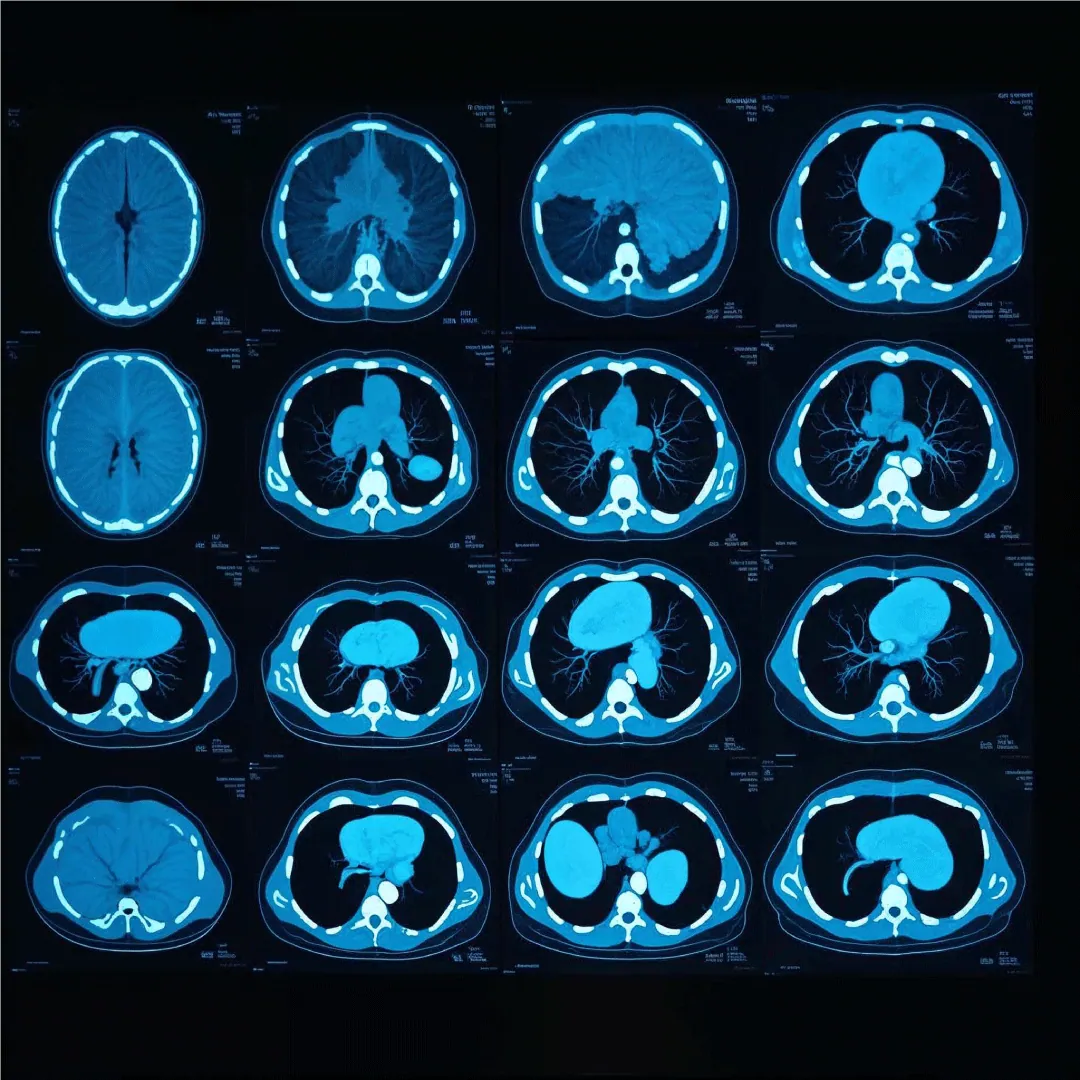
A CT scan combines X-ray images from different angles and uses computer processing to create cross-sectional images of your body's bones, blood vessels, and soft tissues. These detailed images provide more information than standard X-rays.

When and Who Needs to Take a CT Scan

A CT scan is comprehensively recommended apart from x-ray when the requirement is to obtain clearer views or pictures of the structure or internal parts of the body. It is generally recommended for individuals who have unexplained conditions and have trauma to the internal organs or need to examine a specific internal condition like a tumor, infection, or a vascular disease.

Common Types of CT Scans

Computed tomography or more commonly termed CT scans, cover every conceivable organ system one cares to imagine.

The following are types of CT scans that patients might come across:

CT Angiography

Purpose: Utilizes a contrasting dye to focus on blood vessels by highlighting vascular structures.

Typical Uses are detecting aneurysms, visualizing the blockages or narrowing of the blood vessels, diagnosis of atherosclerosis, and determining the need for or noninvasive stent placement.

CT Abdomen Scan

Purpose: Enables visualization of the organs in the abdominal cavity and organs in the pelvis whom the liver, left, and right kidneys, stomach, pancreas and organs of the reproductive system.

Typical Uses: Recognizing tumors and the assessment of the factors that cause abdominal pain such as appendicitis or kidney stones, and the evaluation of bowels such as Crohn's illness and diverticulitis, assessment of injuries of organs located within the abdominal cavity.

CT Bone Scan

Aims: The CT bone scan aims at obtaining images that show clear pictures of bones enabling the doctor to detect fractures, infections, tumors and other abnormal bone formations.

Typical Uses: Diagnosis of bone fracture, osteomyelitis, tumor description, and guidance of biopsies or bone surgery.

CT Scan Chest

Purpose: The chest CT aims at obtaining images showing the lung, heart and blood vessels with a view to providing detailed anatomy of the structures within the thorax.

Typical Uses Include: The CT scan of the chest aids in diagnosing lung pathologies like lung cancer, pneumonia, and tuberculosis, as well as heart diseases, pulmonary embolism, and evaluation of chest injuries.

CT Pelvic Scan

Purpose: In urology, the pelvic CT is primarily performed for the purpose of obtaining images for diagnostic and more advanced imaging evaluation of the pelvis.

Typical Uses: The seizure CT of the pelvis aids in the identification of pelvic fractures, tumor, and infection, and evaluation of pathological disorders of the organs in reproductive system, the bladder and lymph nodes.

Cardiac CT

The function: This one is focused solely within the heart region as well as its associated blood vessels in order to view any cardiac abnormalities.

Common applications: Evaluating heart’s coronary arteries’ health, devising plans for heart surgeries, and checking heart muscle and valves’ structure.

CT KIDNEY SCAN

The function: Uses CT imaging to generate images of the kidneys to help in diagnosing and evaluating different kidney conditions.

Common applications: Evaluation of kidneys’ stones, tumours and infections as well as other forms of incongruities in the kidney structure.

Risks & Limitations Associated with a CT Scan
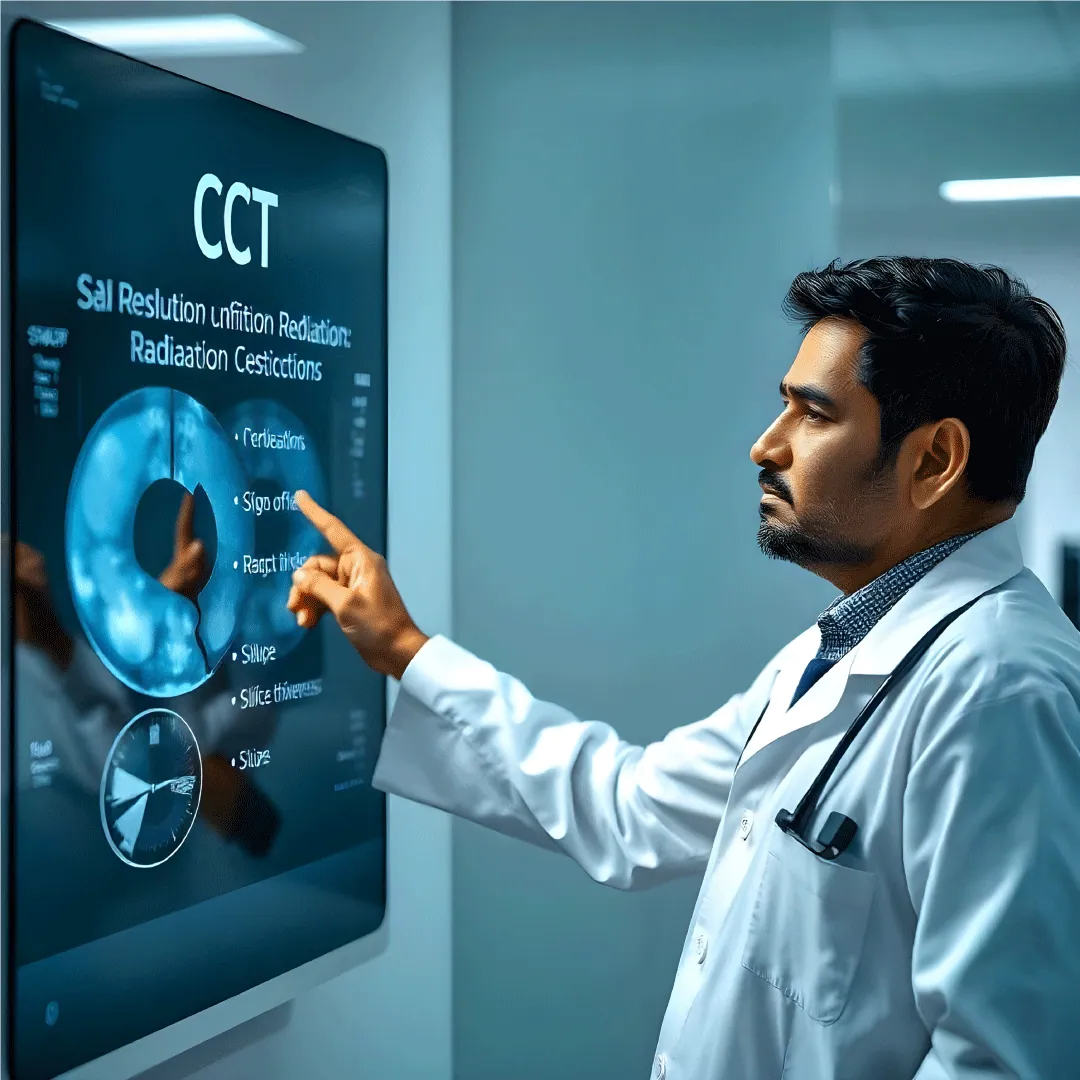
Risks & Limitations Associated with a CT Scan

CT (Computed Tomography) scans are great tools for diagnosis, however for all medical procedures it does come with risk factors of its own.

Being aware of such risk factors helps the patient, so that they know which decisions to take in terms of concern and action with relation to the specialist physician.

These are the main risk factors pertaining to CT scans:

Radiation Exposure

Increased Radiation Exposure: X-ray technology is employed in imaging during CT scans which increases the radiation dose greater than X-ray. This risk is generally low for a one time scanning however risk of cancer contracted from measurement increases as the number of scanning increases.

Risk of Cancer: It is a possibility that radiation can put a person at greater risk of contracting a cancer with every single exposure throughout his life which is a cause of concern especially for young adults and children as they are more prone to the effects of radiation.

Allergic Reactions to Contrast Media

Moderate Allergic Reactions: Mild signs of allergic reactions to contrast media are noted such as nausea, vomiting, rashes or even itching in some patients subsequently worsening individuals feeling breathless, swollen or having anaphylaxis.

Severe Allergic Reactions: With the signals mentioned above it is important to follow the pre-medication guidelines and supervised dosages which limit the severity of the signs. Otherwise actors including difficulty in breathing, swelling and anaphylaxis can occur.

Kidney Damage:

Contrast-Induced Nephropathy (CIN): Repercussions such as kidney damage and failure arise from the use of contrast when imaging patients who suffer from severe levels of kidney failure of even during calmness. The usage of adequate hydration helps counter the effects.

Monitoring Kidney Function: Kids with diabetes or any other issues related to contrast dyes such as allergies are stabbed with blood tests to monitor their functioning kidneys.

List of Parameters Considered During a CT Scan
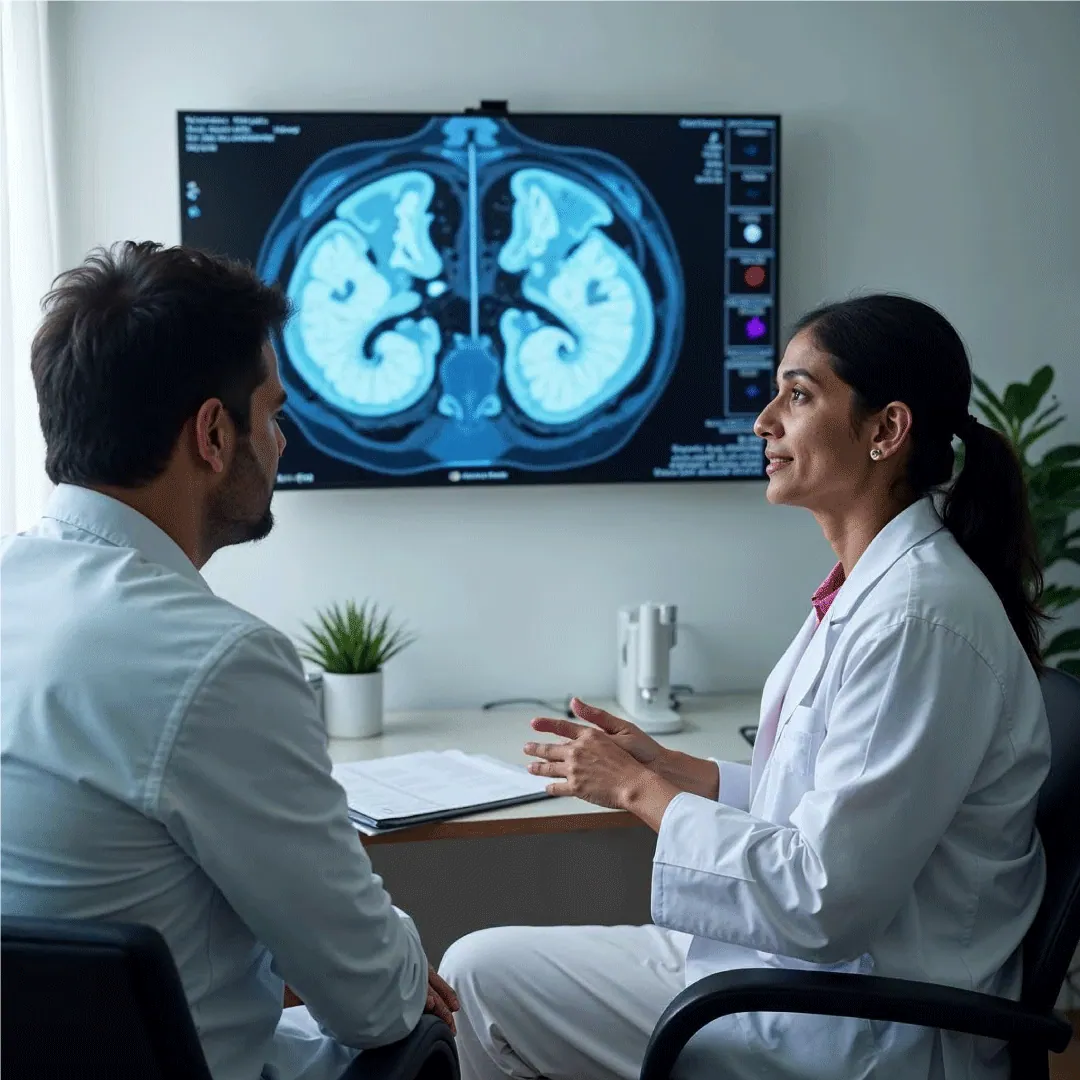
List of Parameters Considered During a CT Scan

In a CT imaging system, there are fundamental arrangements usually set as follows:

Slice Thickness: The thickness of the scanned slice is defined and controlled to regulate images resolution of each scan’s images.

Tube Voltage (kV): Controls the energy used in the scan; the thicker tissue on the flesh requires high kV settings.

Field of View (FOV): It is used to outline the target area or region. A larger field of view genuinely captures a lot of anatomy at one time, however the details are probably not as good as when a smaller FOV (that is when the target of interest is exclusive) is used as this helps to focus the specific area and thus improves clarity of the images.

Pitch: The measure of the speed of the CT table during scanning. A higher pitch means shorter time to complete the scan although the images captured may be of poorer resolution, Lowering the pitch on the other hand takes longer to make the scan however the images captured are clearer.

Contrast Agent Dose: The proper dosage evaluation in administering the contrast agent is very important as it aids in highlighting findings and avoiding complications.

Why is a CT Scan Performed?

Why is a CT Scan Performed?

This scan is being routinely used for specialized medical diagnosis and procedures. They are somewhat utilized for diagnostic purposes, however, the scopes are much wider – evaluation of injuries, assistance in treatment, monitoring, exploration of complaint and even vascular system diseases to name a few.

Benefits of Taking a CT Scan

Benefits of Taking a CT Scan

CT scans are of great benefit as they allow for proper, accurate diagnosis, treatment planning as well as monitoring of the patient. They assist the doctor in identifying fractures, tumors, internal injuries, and vascular diseases, hence promoting better care.

Illnesses Diagnosed with CT Scan

Illnesses Diagnosed with CT Scan
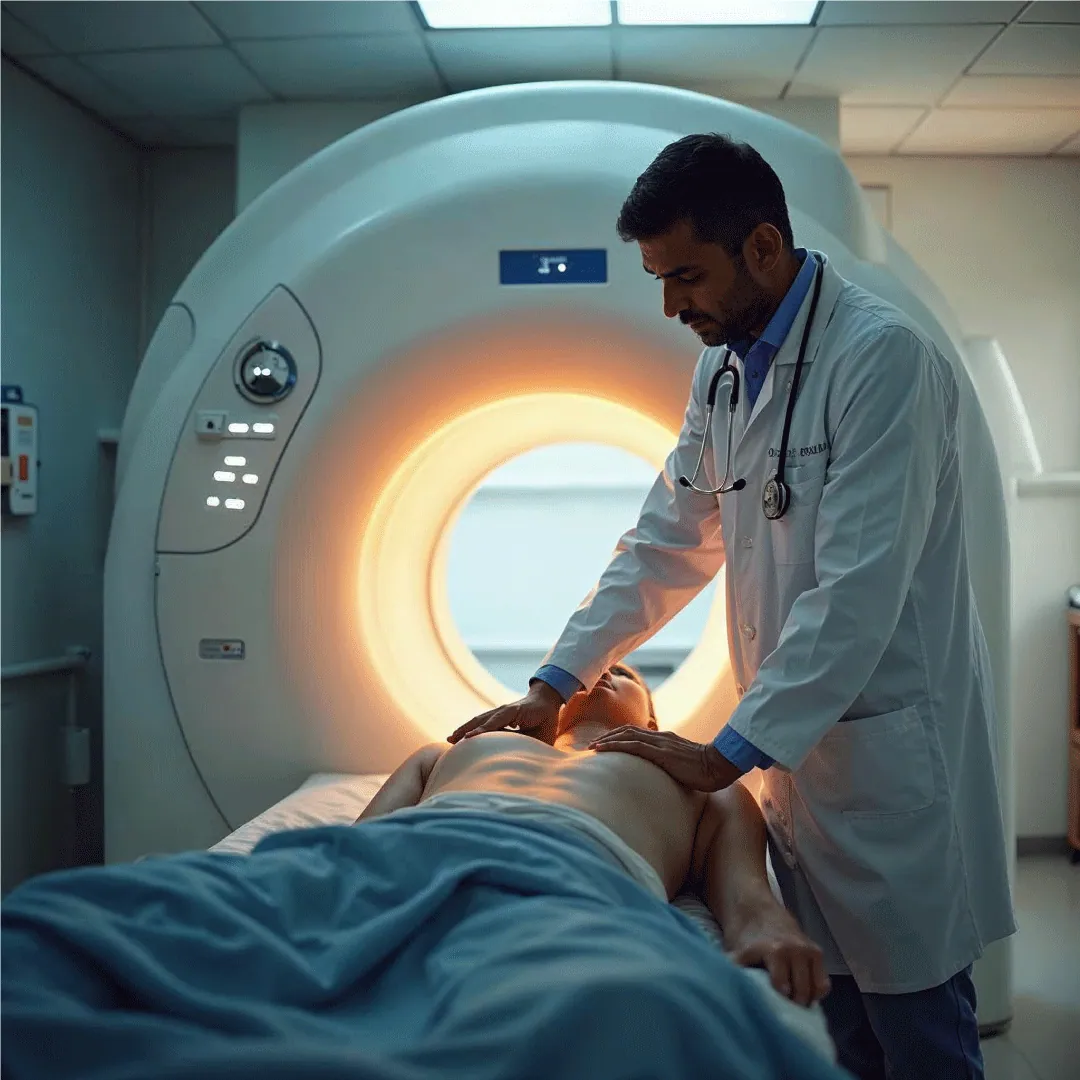
CT scans help doctors detect various injuries and diseases, including:

  • Certain types of cancer and benign (noncancerous) tumors.
  • Fractures (broken bones).
  • Heart disease
  • Blood clots
  • Bowel disorders (appendicitis, diverticulitis, blockages, Crohn’s disease).
  • Kidney stones
  • Brain injuries
  • Spinal cord injuries
  • Internal bleeding
How to Prepare for a CT Scan

How to Prepare for a CT Scan

Patients who are using contrast should refrain from eating and drinking for some time before undergoing the procedure. Take off all metallic pieces and ensure you put on loose clothing. Be sure to communicate any medication you are taking or any allergies you have. Here are the details on how to prepare for a CT scan.

Need to know

Patients should inform the doctor if they are allergic to contrast agents as well as their medical history, for example kidney disease. Patients may be asked to fast in case there is a use of contrast dye, also avoid metallic pieces during the scan.

Best time to take the scan

You have to undergo CT depending on your condition, but some patients have to fast before scans. It’s advisable to have appointments in the morning as this can help relieve discomfort after fasting. In critical or urgent cases, a scan can be done immediately.

Precautions before the scan

Let your doctor know if you’re pregnant or have any issues with contrast iodine dyes or kidney dysfunction.

To obtain reliable results and avoid issues during the examination, be sure to follow any guidelines provided such as fasting.

Test Results

Results and Interpretations

ParameterNormal ResultAbnormal ResultPossible Interpretation of Abnormal Result
Bone DensityNormal bone structureFractures, bone loss, or lesionsOsteoporosis, bone fracture, bone cancer
Lung TissueClear, healthy lung appearanceMasses, nodules, or fluid buildupLung cancer, pneumonia, pulmonary embolism
Abdominal OrgansNormal size, shape, and positionEnlarged or abnormal organs, presence of tumoursLiver cirrhosis, pancreatitis, abdominal tumour, or cysts
Blood VesselsNormal blood flow, clear vessel structureBlockages, narrowing, or aneurysmsAtherosclerosis, aneurysm, blood clot
Kidney StructureNormal size and functionAbnormal growths, kidney stones, or damageKidney stones, tumours, cysts, kidney failure
Brain ScanNormal brain structure and no signs of swellingHaemorrhage, tumours, or abnormal tissueStroke, brain tumour, traumatic brain injury

FAQs

  • CT (Computed Tomography) scans are not considered dangerous however they do involve exposure to Ionizing Radiation that exposes the patient to certain risks.

Discover more

Related lab tests

Imaging

Popular radiology scans

Locations

Our top diagnostic centres

About us

Cadabam's Diagnostics: What Defines Us

Welcome to Cadabam's Diagnostics, where diagnostic care meets modern convenience. We believe that accessing vital health insights shouldn't mean sacrificing comfort. That's why we bring advanced, high-quality testing services delivered straight to your doorstep. Our commitment to accuracy, speed, and compassion ensures that every test is handled with the utmost care, giving you reliable results without leaving home. Trusted by healthcare providers and patients alike, we're here to support your wellness journey with expertise you can count on.