
Cadabams Diagnostics

Ultrasound in Bangalore

Ultrasound Scans in Bangalore

66+ ultrasound scans in Bangalore. Fast reports, certified equipment, trusted by 10,000+ patients.

Certified Equipment
Fast Reporting
Expert Radiologists
Advanced Imaging

60 Mins

Report Turnaround

1M

Happy Customers

4.9

Google Rating

5

Certified Labs

Ultrasound Scans

Showing 118 of 66 scans

Overview

A non-invasive imaging technique that uses high-frequency sound waves to create pictures of the inside of the body

Ultrasound Overview

Ultrasound Overview

Ultrasound, sonography or ultrasonography as it is also called, is a painless diagnostic imaging technique that uses ultrasound waves to create moving images of the internal organs including soft parts of the body. It can be used for a wide range of scanning ranging from monitoring pregnancies to diagnosing diseases.

Its imaging capabilities allow doctors to see through your body without making the cut and it does not employ radiation as X-ray machines do.

What is An Ultrasound Scan?

Ultrasound essentially involves the use of sound waves with a frequency higher than 20kHz to analyze or get images of internal organs of a human body. It is a powerful tool which helps doctors detect abnormalities in tissues and organs. The ultrasound is made up of a device known as a transducer which produces and receives sound waves and indirectly forms images.

Types of Ultrasounds

There are different types of ultrasound scans that are used for various conditions and parts of the body. Among these, some of the most common types of ultrasounds are: -

Abdominal Ultrasound: This is an ultrasound done to look for blood vessels and organs in your lower abdominal region and to check for conditions like gallbladder stones, kidney stones, and liver problems.

Pelvic Ultrasound: Pelvic Ultrasound is probably the most popular type of ultrasound, as every woman have had this type of ultrasound at least once in their life. This is most used to diagnose pregnancy, to assess if a fetus is developing properly, to look for the presence of abdominal organs in females like the uterus and ovaries and in males the bladder and many more.

Musculoskeletal Ultrasound: Musculoskeletal Ultrasound is very helpful in detecting troubles with tendons, ligaments or muscles.

Doppler Ultrasound: It is a special type of ultrasound scan in which the blood flow through arteries and veins is used to be tested for the presence of vascular disorders such as blood clots.

Fetal Ultrasound: Fetal Ultrasound is used in pregnancy to keep track of baby development and baby’s health. It helps in tracking the growth of the fetus, checking if there are any abnormalities, and measuring the amount of amniotic fluid.

Risks & Limitations of the Ultrasound Test
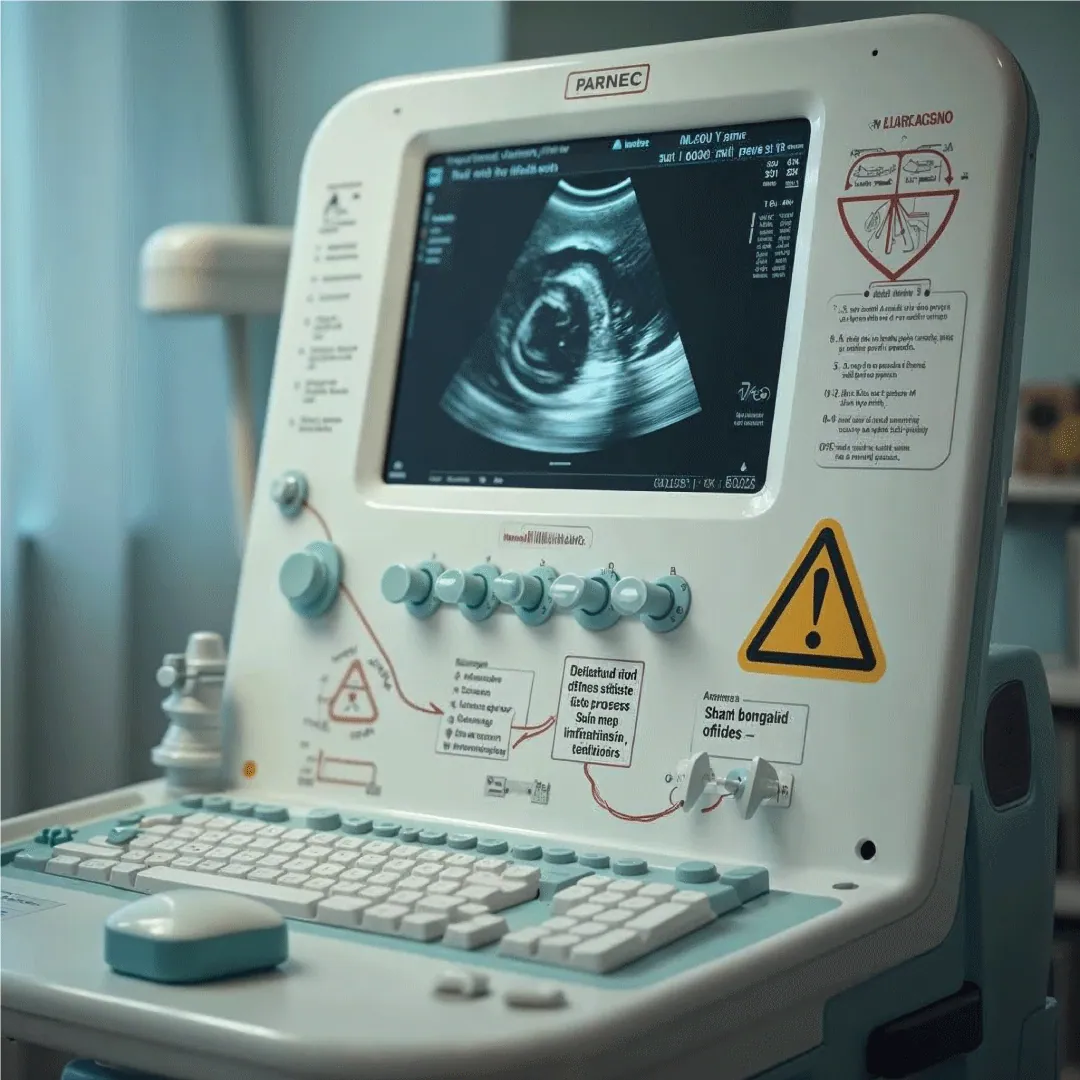
Risks & Limitations of the Ultrasound Test

In terms of the dangers involved with getting an ultrasound test, these are largely negligible as it employs no radiation whilst producing images, thus, it is regarded as one of the best and least hazardous diagnostic procedures.

One of the important issues regarding the applicability of ultrasound scanning is that, it may not be suitable for those regions of the body that lie within gas cavities e.g. the intestines, or the bones cover them up. Also, other factors such as obesity may affect the ultrasound’s accuracy.

List of Parameters Considered During the Scan

List of Parameters Considered During the Scan

It is important to understand that the parameters may vary depending on the type of ultrasound and the purpose of the scan. However, here are a few common parameters that are measured during an ultrasound scan:

  • Any change regarding the size, form or dilatation of organs or tissues
  • When Doppler ultrasound is performed, evaluation of blood circulation and the states of vascular system
  • Obstruction of organs which might include cysts or tumours or any other formations
  • For prenatal scanning – amniotic fluid level measurement and checking growth parameters of the fetus (for example: biparietal diameter)
Reasons for Taking the Ultrasound

Reasons for Taking the Ultrasound

There are multiple reasons that your doctor may suggest you take an ultrasound scan, some of them include: -

Diagnosing Abnormalities: In a variety of instances, an ultrasound is used to help diagnose the cyst, tumor or even other surrounding organs’ abnormalities.

Pregnancy Care: The ultrasound allows doctors to examine the fetus, while also gauging its state of health.

Investigating Pain or Swelling: When there is swelling, pain or other symptoms that are hard to explain, this is where the ultrasound scanning technique comes in.

Evaluating Organ Function: Conditions that involve gall bladder disease, kidney stones or cirrhosis of the liver can be evaluated through ultrasound imaging.

When and Who Needs to Take an Ultrasound Scan?

Ultrasounds are recommended to patients for a variety of reasons, some of them include: -

  • If your doctor suspects issues with your internal organs such as the liver, kidney, or heart.
  • Pregnant women for evaluating the conditions of the fetuses.
  • Athletes identify musculoskeletal injuries like tendon ruptures or sprains.
  • Patients with no result of visceral massage and other techniques with swelling, pain, or complications of the visceral organs.
  • People with heart disease.
  • Patients with gallstones suspect suffering from kidney stones or some other organ related disorders.
Benefits of Taking the Ultrasound

Benefits of Taking the Ultrasound
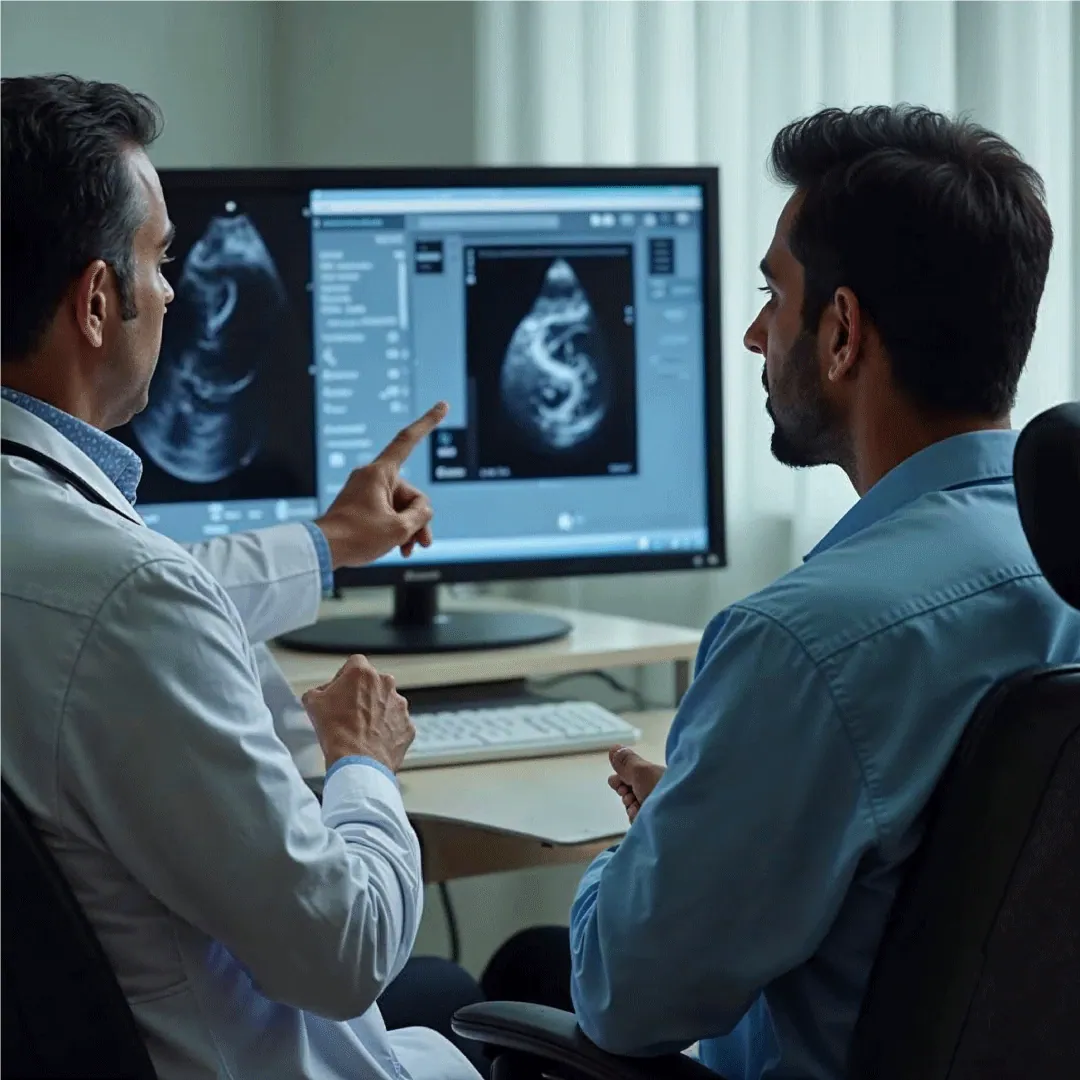
Ultrasound scan offers a range of benefits and due to this, it is widely used to assess the variety of diseases and monitor a fetus. Some of the benefits include: -

Non-Invasive: There is no requirement of any needles or incisions to perform an ultrasound. Such procedures are needed for biopsies and surgeries.

No Radiation: This is a feature that helps to protect pregnant mothers and others who must undergo so many scans.

Real-Time Imaging: The real time imaging of an ultrasound scan enables medical professionals to fully fathom the insides of a person’s organs and be able to diagnose any abnormalities instantly.

Illnesses Diagnosed with Ultrasound

Illnesses Diagnosed with Ultrasound

Ultrasound scan is one of the modalities which is helpful in diagnosing, and which may include all the following but not limited to: -

  • Kidney Stones
  • Gall Stones
  • Liver Cirrhosis or Fatty Liver
  • Blood Thrombosis
  • Specific Cases in Pregnancy Targeting Placenta Accreta
  • Thyroid Gland Disorders Such as Nodules and Goitres
  • Heart Failure Due to Hypertrophy and Valvular Defect
  • Inflammation Of the Pancreas
  • Abdominal Aortic Aneurism
  • Cysts And Fibroids Affecting the Structures of the Female Reproductive System
  • Injuries Affecting Muscles Tendons or Ligaments
  • Abscess Formation and Cellulitis
Preparing for Ultrasound Scan

Preparing for Ultrasound Scan

There are different types of ultrasounds and there are also different indications for which the scan needs to be carried out, thus comparison here i think should not be done. However, below are broad principles, which may be useful in helping you obtain the ultrasound scan in a better way.

Prerequisites

To obtain clear results, the image formed on the abdominal scans might tilt or get worse as they cannot have any accumbent solids. On the other hand, the image scans on the Pelvic Region Ultrasound require a considerable amount of water consumption prior to its execution.

The Most Appropriate Time to Execute the Scan

Ultrasounds have numerous purposes; therefore, timing of the scan differs depending on the surgical or diagnostic requirement. For instance, after breakfast falls the time for abdominal ultrasound while Pelvic, MSK, and Doppler ultrasounds can occur in the afternoons too.

Who is Eligible for an Ultrasound Scan Examination?

Most people, including children, pregnant women, and the elderly can undergo ultrasound procedures without feeling anxious about radiation exposure.

Procedure for Taking Ultrasound Scan

Your sonographer is a trained ultrasound technician. To avoid friction, ultrasound gel is applied to your skin, after which the sonographer rubs an ultrasound transducer on your skin. Everything else is as easy as changing into a hospital gown.

For those who don’t know, a transducer is an ultrasound tool that is placed on skin to deliver sound waves to our body and receives echoes that are converted into images.

If the condition under examination is complex, or the area of the scan is, then the time required for the whole process may be longer than the average time frame of 15 – 45 minutes.

Caution Before Taking the Scan

Ultrasound scans are non-invasive and painless tests that most never require precautionary measures; however, recent surgeries or impediments should be conveyed to the healthcare provider. It is recommended that food consumption is avoided prior to undergoing an abdominal ultrasound, as this may aid in providing better results.

Test Results

Results and Interpretations

Scan ParameterNormal RangeAbnormal RangeInterpretation
Organ SizeNormal organ sizeEnlarged or reduced organ sizeEnlarged organs may indicate disease (e.g., liver disease, heart issues), while reduced size can suggest atrophy or other health concerns.
Presence of MassesNo masses or lumps detectedSolid or cystic masses detectedSolid masses could indicate tumours or cancer, while cystic masses are often benign but
Blood Flow (Doppler)Normal blood flowRestricted or abnormal flowAbnormal blood flow might signal issues like blood clots, artery blockages, or vascular disease.
Fetal DevelopmentFetus growing according to gestational ageAbnormal fetal size or structureAbnormalities in fetal size or development can indicate growth restrictions, developmental delays, or other prenatal health concerns.

FAQs

  • If there is a requirement for an abdominal ultrasound, fasting must be done in order to create clean images where only the internal organs are captured. Rest instructions and procedures can be sought from a physician.

Discover more

Related lab tests

Imaging

Popular radiology scans

Locations

Our top diagnostic centres

About us

Cadabam's Diagnostics: What Defines Us

Welcome to Cadabam's Diagnostics, where diagnostic care meets modern convenience. We believe that accessing vital health insights shouldn't mean sacrificing comfort. That's why we bring advanced, high-quality testing services delivered straight to your doorstep. Our commitment to accuracy, speed, and compassion ensures that every test is handled with the utmost care, giving you reliable results without leaving home. Trusted by healthcare providers and patients alike, we're here to support your wellness journey with expertise you can count on.